
Language

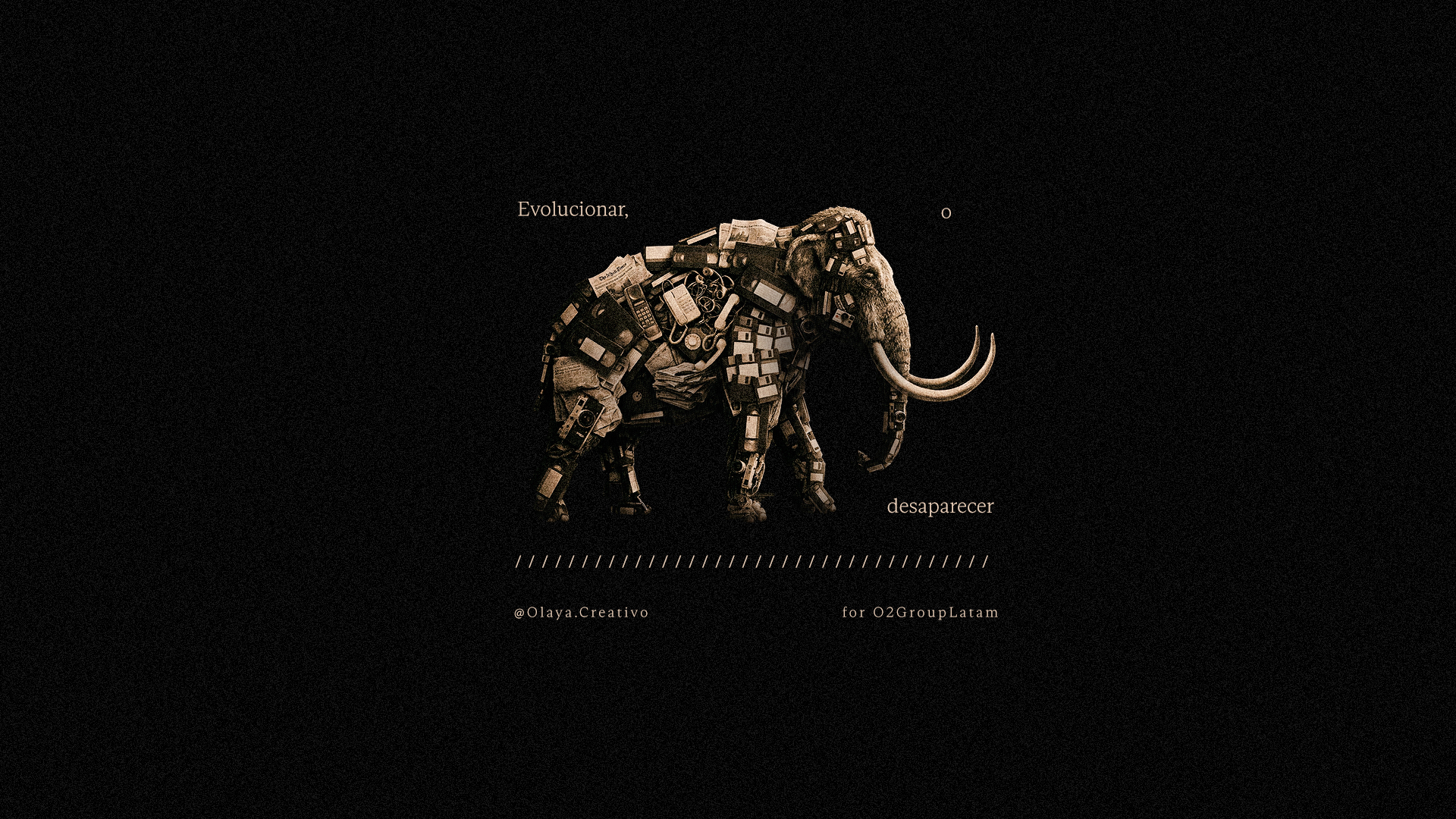
In 1859, Charles Darwin changed the way we see the world. He showed that it is not
the strongest who survive, but those who best adapt. He discovered this by observing
birds, tortoises, and environments that forced living beings to transform. Today, that
same idea resonates with modern anthropology: cultures move, rituals change,
symbols are reinterpreted. As a species, we have always adjusted the way we live and
communicate. History from the discovery of fire to the age of algorithms repeats the
same lesson: standing still is disappearing.
In business, the pattern is similar. Blockbuster failed to understand that consumption
habits were changing; Kodak saw digital photography coming but chose to ignore it;
MySpace shone brightly until new social dynamics overtook it. The anthropology of
consumption explains this well: we decide based on cultural context, collective
aspirations, and the technologies that shape what we desire. That is why brands today
need to speak in short formats, move at the speed of trends born on social platforms,
and build authenticity. Audiences are no longer passive spectators: they migrate,
demand, voice opinions, and organize entire conversations.
Even so, living brands have a clear path forward: evolve without losing their essence.
This means reading the cultural climate, understanding archetypes, reinterpreting
symbols, and exploring new platforms. People want to feel seen and heard, not just
impacted by messages. In this landscape, natural selection favors those who combine
strategy, creativity, and cultural sensitivity to remain relevant.
That is the logic behind how we work at O2 Group Latam. We operate at the
intersection of business, brands, and entertainment so that each project can better
read its environment, find its narrative, and connect with audiences that are also
changing. We combine planning, strategy, creativity, design, and art so brands don’t
just react to change, but are able to anticipate it. Because, just like in nature, those
who dare to evolve don’t just survive, they leave their mark.
We create living, breathing brands and narratives that make a lasting impact.