
Language

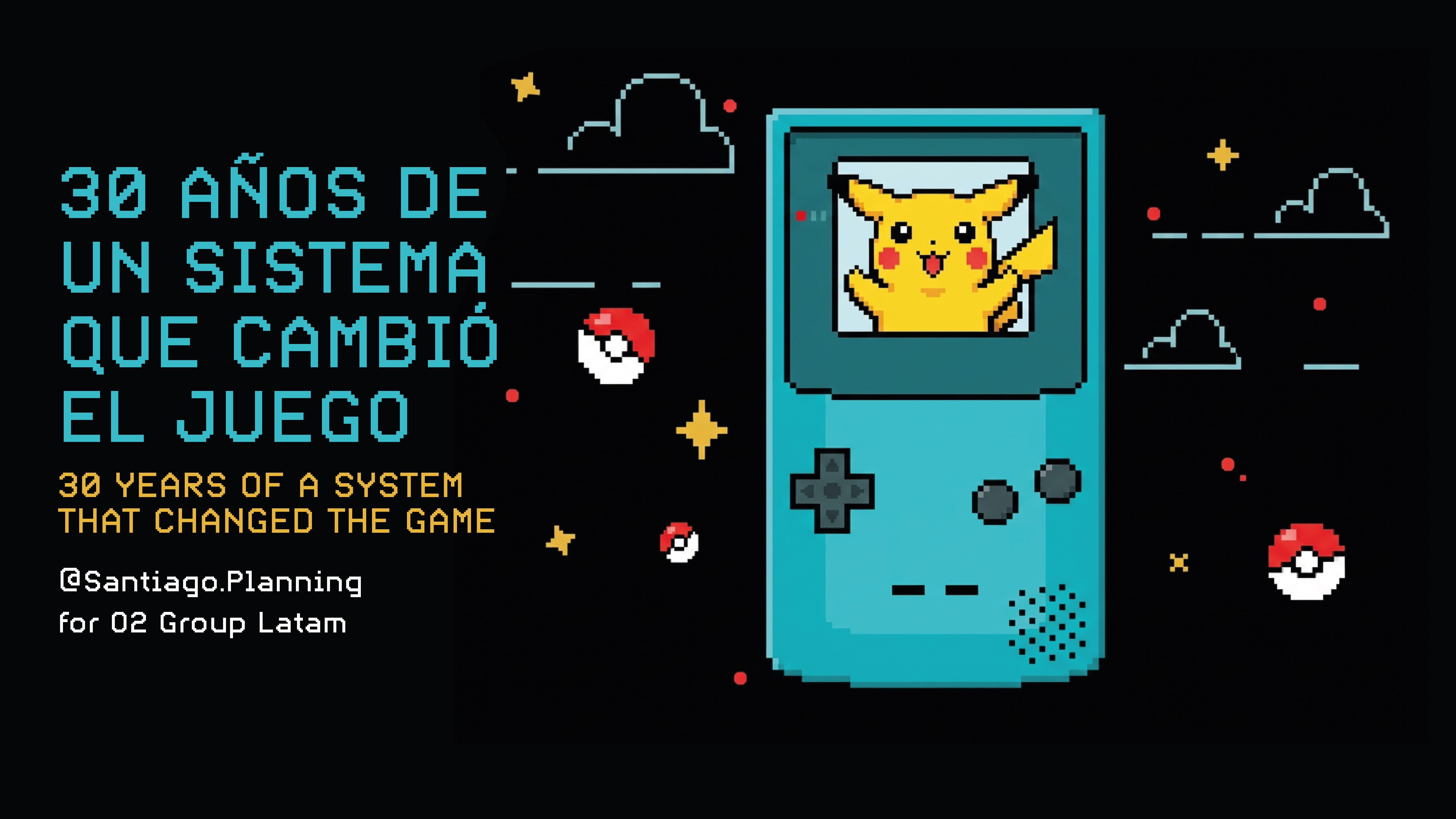
In 1996, when Pocket Monsters: Red and Green arrived on Game Boy in Japan, they seemed like just two more video games. But behind them was Satoshi Tajiri, a creative who had spent years trying to turn his idea—collecting creatures and trading them with friends—into something viable. His studio was on the brink of collapse before receiving support. Pokémon was not born as a safe bet; it was born as a clear vision.
From the beginning, the business model was built into the experience. It wasn't a single edition, but two complementary versions. If you wanted to complete the collection, you had to trade with someone else. That decision fostered community, but it also multiplied sales. The product didn't just entertain: it was strategically designed to grow.
When the phenomenon exploded in the late 90s with series, cards, and licensed products, many brands would have squeezed every last drop out of it. Pokémon did something different: it structured its expansion through the creation of The Pokémon Company, ensuring global coherence, brand control, and long-term management. It stopped being a trend and became a system.
With every technological shift and each new console, the franchise evolved without breaking its essence. New generations of games added creatures, regions, and stories, but kept the core promise intact: discover, catch, evolve, and share. It didn't replace what came before; it expanded upon it. In that way, it built a model based on accumulation, not substitution.
The brand also understood something many others forget: its first audience would grow up. Instead of replacing them entirely, it decided to join them. It launched new generations for younger fans while offering reinterpretations and expansions for those who had started years ago. This ability to speak to different ages simultaneously extended its life cycle and strengthened its brand value.
Today, as it reaches its 30th anniversary, Pokémon is not just a successful franchise; it is a study case in corporate longevity. It has navigated technological, cultural, and generational changes without losing relevance. It has diversified into video games, cards, series, movies, and physical experiences without changing its identity. Its universe grew while staying true to its essence.
Thirty years later, the lesson is clear: the brands that survive are not those that cling to a successful product, but those that build a platform capable of evolving. Pokémon turned evolution into its corporate philosophy. Its creatures evolve, its players evolve, and its business model evolves.
At O2, we believe in those kinds of brands: the ones that understand that branding is not just communication, but a long-term strategic vision. Because transcendence is not a matter of time; it is a matter of building something that can grow for generations.
We create living, breathing brands and narratives that make a lasting impact.