
Language

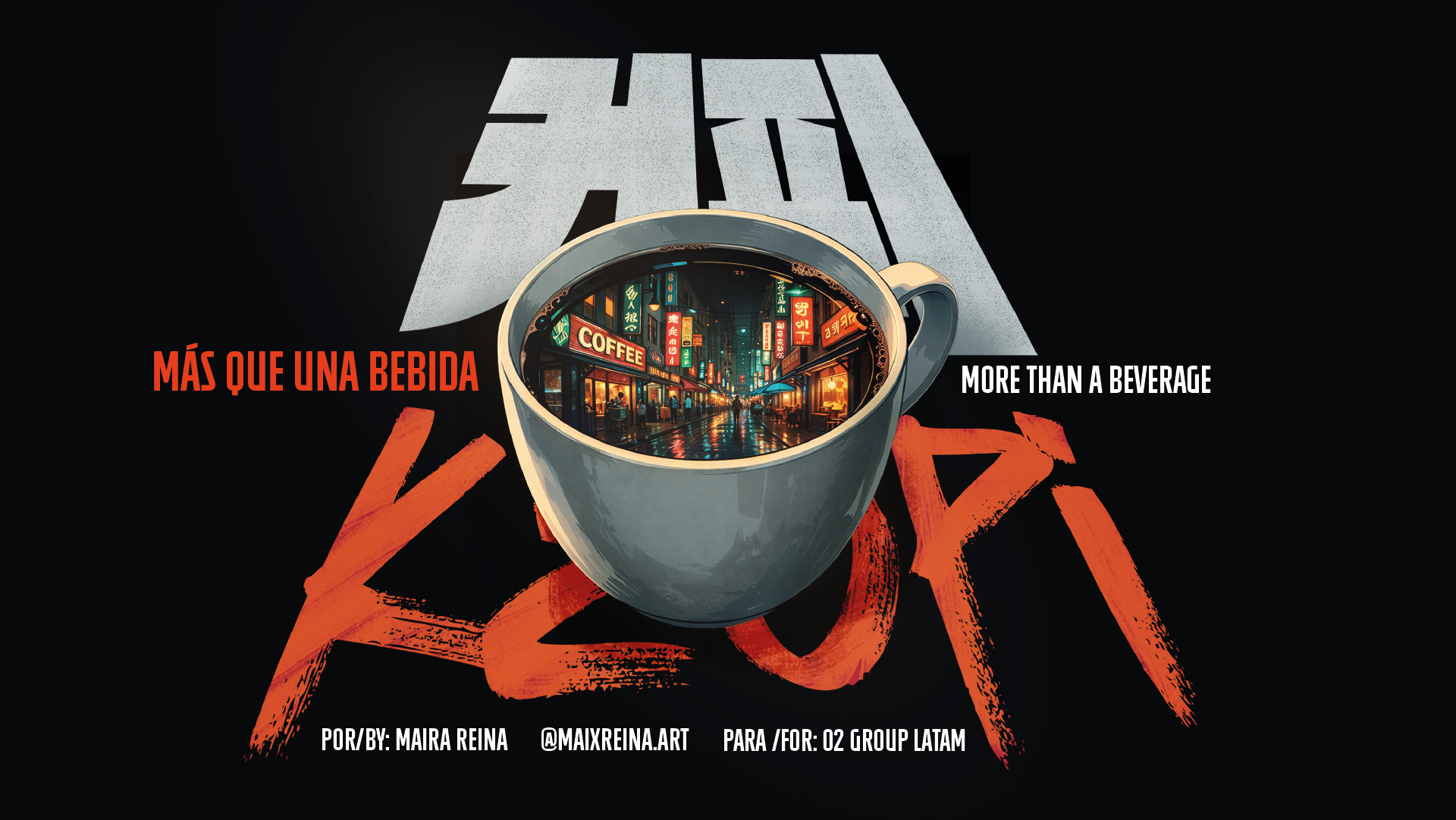
Imagine livingin avery smallspace, sharing a room withseveral generations of your family:your great-grandmother, your grandmother, your parents, your siblings,and perhapseven youruncles. In a routine whereyou spend long hours working or studying — sometimes even attending meetingsafter work — home stops beingthe ideal placeto spend time alone, meet friends, or socialize.
This everyday realityis common for many Koreansand has givenrise to a coffee cultureunlike any other in the world.
Faced with the need for spaces outside the home tointeract, study, meet, or simply relax, cafés became the perfect solution.
Major brands found fertile ground:a country that, although it does not produce coffee beans, began importing them from Brazil,Colombia, Ethiopia, and Vietnam as it openedup to globalization. When you combine a clear need, a specific audience, and aquality product, the result can be powerful.
Starbucks, for example, has more than 2,000 storesin South Korea, placing the country among the brand’s largest marketsworldwide.
Thequestion then becomes:how do you stand out?
Through creativity.Through branding. Through experiences that promote urban culture.
This fact speaks not only of popularitybut of a society that literally drinks coffee as part of its lifestyle.
Looking back in time, coffee arrived in South Korea in the late 19th century, when a king fell in lovewith the beverage and it initiallybecame a luxury item. Later, globalization, modernity, and openness to the worldtransformed it into a cultural phenomenon.
Today, itspopularity is largely explained bythe samelifestyle factors mentioned at thebeginning of this article: high population density, demanding work and study schedules, and the desire to spend time outside the home.All of this encouraged Koreansto seek socialalternatives: reading in cafés,studying, socializing, and changing environments.
Coffee stopped beingjust a drink and becamea space for experiences.
In South Korea, coffee is not just coffee — it iscontent. Competition is intense, and to stand out, businesses must offer unique concepts, thematicinterior design, distinctive experiences, stories, and memorable atmospheres.
Examples that have emerged and evolved over time include:
· Animal cafés
· Themed cafés (video games, pop culture, anime, or comics)
· Cafés focused on reading or studying
· Immersive cafés with striking visual design
All of this demonstrates that you do not need to producecoffee beans to turn coffeeinto a cultural and consumersymbol.
South Korea teaches us something valuable:
You do not need to produce something to make it part of your culturalidentity — as long as you know how to integrate it meaningfullyinto everyday life.
At O2 GroupLATAM, we are inspiration nerds:we search for ideas in every cornerof the world, acrossdifferent niches and markets. This journey throughKorea’s coffee cultureshows how a simple product can be transformed into a globalexperience — and how thoseideas can fuel our own creativity.
So getinspired, look beyond, and remember:globalization brings coffee to Korea— andcarries Korea’s creative ideas to the restof the world.
Here are some of our favorite cafés:
· Nudake: when a beverage becomes a work of art inside a museum.
· Cafe Onion: with its beautiful slogan, “Love and peace, love with coffee,” it seeksto create a positive impactin its neighborhood. It’s worth visiting their news sectionand admiring their packaging and initiatives.
· Nuldam Space: their Instagram conveys a calm essenceand impeccable taste; their organic and visual direction is simplybeautiful.
· Dotori Cafe: their creativity is reflected in their logo — a watercolor character —and in their focus on charms and collectibles, makingit a lovely brand to analyze.
· Hanyakbang Cafe: from their photographyto theirpackaging, they offer endless inspiration.Don’tmiss their collaborations in the “heritage in media” section.
We create living, breathing brands and narratives that make a lasting impact.